


Comic book collecting is an exciting hobby that blends nostalgia, art appreciation, and the thrill of the hunt. For many collectors, comics represent much more than simple reading material; they are pieces of history, cultural artifacts, and often investments with the potential for long-term financial gain. Whether you’re new to the world of comic book collecting or a seasoned enthusiast, understanding key concepts like raw comics, graded comics, and key issues is essential. Let’s dive into the world of comic book collecting, exploring the difference between raw and graded comics and why certain issues, known as “Key Comics,” are so sought after.
Raw Comics vs. Graded Comics
One of the most fundamental distinctions in comic book collecting is between raw comics and graded comics.
- Raw Comics are comics in their original, ungraded form. These are the comics you might find on the shelf at your local comic book store, at a convention, or in a box at a flea market. Collectors often buy raw comics to enjoy the artwork, follow the stories, or complete their collections. The condition of a raw comic is assessed subjectively by the buyer or seller and can range from “mint” (essentially flawless) to “poor” (heavily damaged).
The appeal of raw comics often lies in their affordability and accessibility. You can thumb through the pages, enjoy the tactile feel of the book, and display it in various ways. However, the value of a raw comic can be difficult to determine precisely without expertise, as even minor defects can dramatically affect its market price.
- Graded Comics are professionally evaluated and certified by a third-party grading company, the most well-known being the Certified Guaranty Company (CGC). The process involves examining the comic for any imperfections, assessing its overall condition, and assigning a numerical grade on a scale from 0.5 (poor) to 10 (gem mint). Graded comics are then sealed in a hard plastic case (referred to as “slabbing”) with a label indicating the grade and any notable information (such as signatures, first appearances, etc.).
The advantage of graded comics is their transparency and security for both buyers and sellers. The condition is guaranteed by a reputable company, making graded comics more desirable for serious collectors and investors. However, graded comics tend to be more expensive than raw comics, and once a comic is slabbed, it can no longer be read without breaking the case, which could diminish its value.
The Importance of Key Comics
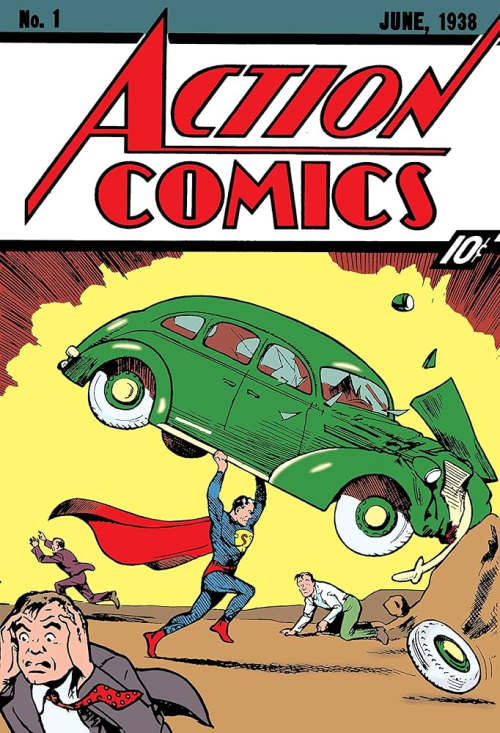
In the world of comic book collecting, Key Comics are specific issues that hold significant historical, cultural, or narrative importance. These can be the first appearances of major characters, significant plot developments, or issues with particularly memorable covers or creative teams. The importance of a key comic lies in its relevance to the broader comic book world, and these issues often become highly sought-after and valuable.
Some of the most famous key comics include:
- “Action Comics #1” (1938): The first appearance of Superman, widely considered the beginning of the superhero genre and one of the most valuable comic books in existence.
- “Amazing Fantasy #15” (1962): The first appearance of Spider-Man, another landmark issue that launched one of the most iconic superheroes in history.
- “X-Men #1” (1963): The first appearance of the X-Men, one of Marvel’s most popular and enduring superhero teams.
Key comics often serve as milestones in the medium’s evolution. Collectors seek them out not only for their historical value but also for the potential financial gain, as the demand for these comics tends to increase over time. Even newer key comics, such as “Ultimate Fallout #4” (2011) (the first appearance of Miles Morales as Spider-Man), have seen a rapid rise in value due to the character’s growing popularity.
Why Are Key Comics So Important to Collectors?
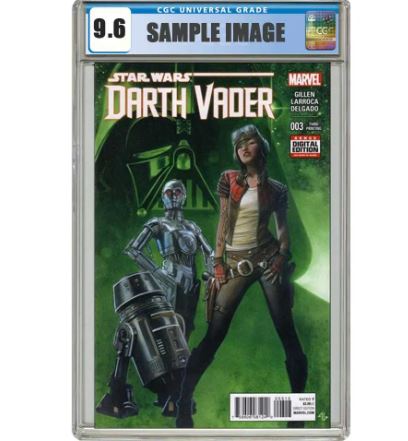
People are going after Star Wars: Darth Vader #3 due to speculation that Dr. Aphra may turn up in future Star Wars TV shows.
- Cultural Impact: Key comics often introduce or define characters that become deeply ingrained in pop culture. First appearances of heroes like Batman, Wonder Woman, or Black Panther have cultural significance far beyond the world of comics, appealing to fans across media.
- Rarity: While not all key comics are rare, many are limited in number, especially older ones. The rarity of a particular key issue, combined with its cultural importance, can make it a highly desirable item for collectors.
- Investment Potential: The market for comics has grown significantly over the years, with many key comics appreciating in value. Collectors often buy key issues as investments, expecting their worth to increase over time, especially if the character gains new relevance through movies, TV shows, or other media.
- Historical Significance: Key comics serve as time capsules, reflecting the societal values, artistic trends, and storytelling conventions of their time. Whether it’s the Golden Age of Comics (1930s-1950s) or the Modern Age (1985-present), key issues provide insight into the history and evolution of the medium.
Tips for Aspiring Collectors
If you’re interested in starting your comic book collection, here are a few tips:
- Start Small and Focused: It’s easy to get overwhelmed by the sheer number of comics available. Start by collecting issues from your favorite characters or storylines, and gradually expand as you become more knowledgeable.
- Do Your Research: Understanding the market is essential, especially if you’re investing in graded comics. Research the value of key issues and learn to recognize first appearances, significant storylines, and condition factors.
- Inspect Condition Carefully: If you’re buying raw comics, inspect them carefully for any wear, discoloration, or tears. Remember, even minor defects can significantly impact value.
- Consider Grading: If you come across a rare or valuable comic in good condition, it may be worth having it graded to preserve its value. However, remember that grading fees can be expensive, so weigh the cost against the potential value of the comic.
- Network with Other Collectors: Comic book conventions, online forums, and social media groups are great places to connect with other collectors, gain knowledge, and trade or buy comics.
Conclusion
Comic book collecting is a rich and rewarding hobby, combining elements of nostalgia, artistry, and investment. Understanding the difference between raw and graded comics is key to navigating the market, while the pursuit of key comics offers collectors the chance to own a piece of pop culture history. Whether you’re in it for the love of storytelling or the thrill of investment, comic collecting is a dynamic and evolving passion that continues to capture the imaginations of fans worldwide.
