


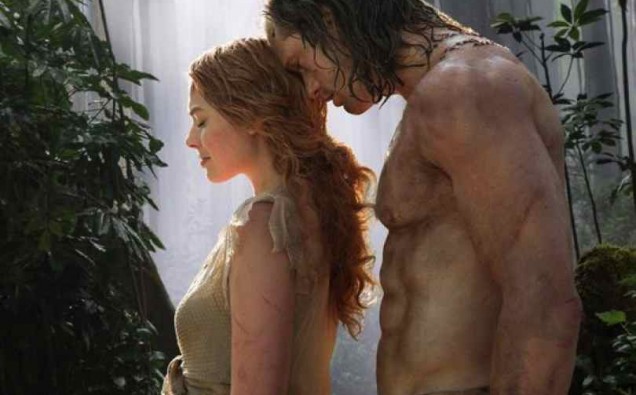
The world of popular culture is home to a number of enduring characters, whether it is figures from classic literature like Dracula or even TV icons like Doctor Who. However, the recent release of The Greatest Adventure #1 from Dynamite is a true testament to the continuing popularity of Tarzan, a character who remains in rude health despite being more than a century old.
A hollering hero
Edgar Rice Burroughs’ first Tarzan story was published in a magazine in 1912 and he went on to write 24 books in total. However, despite his beginnings in literature, there is a strong argument that the character’s breakthrough into the film world helped him leave an indelible mark on the public psyche. Johnny Weissmuller’s take on Tarzan in a series of films from 1932 is perhaps the best-known version, with this trademark holler becoming synonymous with the character. Remarkably, the history of the adventurer on film actually goes back to 1918, just six years after the first story was published, with Elmo Lincoln in the role.
A fascinating aspect about those early films is how they tweaked the Tarzan seen in Burroughs’ books. The boy who became a British aristocrat was replaced by a kind-hearted and noble hero only able to communicate in broken English – “me Tarzan, you Jane” and all of that.
Game spinoffs

Tarzan Untamed on the old Playstation 2.
Away from film, another area that Tarzan has broken into is gaming – with often unexpected results. Perhaps the best-known games featuring the hero are the console titles based on the aforementioned Disney adaptation. The original released in 1999 for PlayStation, PC, Nintendo 64 and GameBoy Color proved a major hit with critics, garnering a rating of 82% with Game Rankings, and went on to spawn several sequels including Disney’s Tarzan Untamed.
Other gaming genres also caught the Tarzan fever. For instance, iGaming developer Microgaming created a virtual slot machine – visitors to sites like Betway Casino can play the 40-payline, 5-reel online slot based on his adventures, which comes complete with a jungle theme and atmospheric sound effects. Finally, board games publisher Milton Bradley (which was then incorporated by Hasbro) released its own version for two to four players in 1984 – players have to move their pawns in the treacherous jungle as soon as possible and avoid quicksand, traps and man-eating beasts.
Pulp fiction

The Gold Key Tarzan Comic
But while Tarzan’s appearance in The Greatest Adventure may be a reminder of his success across a range of media, it also reflects how the character has a long – and often forgotten – history in comic books. His run of appearances dates all the way back to 1929 when, as The Hollywood Reporter outlines, he appeared in an adaptation of Burroughs’ tales which was syndicated across a number of major newspapers in the US. Following that, a run with Dell and then Gold Key proved popular but the estate of Burroughs moved the rights onto DC Comics in an effort to push the character even further. This partnership lasted only five years though when the character then made the unthinkable switch to DC’s arch-rivals Marvel. Sadly that didn’t work out either and Tarzan went across to Dark Horse. Despite the rights officially still being with that publisher, The Great Adventure and other Tarzan titles from Dynamite came about when the company took advantage of the original novel being in the public domain to create their own version of Tarzan. Eventually, this led to a partnership with Burroughs’ estate.
Another century of stories?
Edgar Rice Burroughs was of course responsible for the creation of more characters than just Tarzan, but the hero continues to fascinate the public in a manner that the likes of John Carter have simply never managed to do. Whether it is our enduring interest in man’s primal relationship with nature or simply our love of a ripping yarn, the character’s popularity does not appear to be on the wane. At this point, it is hard to bet against Tarzan living on to enjoy another century of fantastical stories across a range of mediums.
