


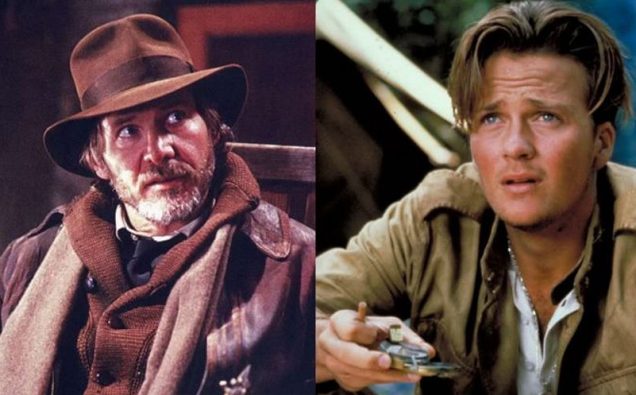
The Indiana Jones franchise is an enduring cultural icon, having captured the imaginations of audiences for over four decades. With the recent release of Indiana Jones and the Dial of Destiny, the time is ripe for Disney to explore new avenues for the character. Instead of merely continuing the series as is, Disney could draw inspiration from The Young Indiana Jones Chronicles to craft a reboot that not only reinvigorates the franchise but also opens up possibilities for a sequel series exploring Indy’s adventures in the post-war years. This dual approach could offer a rich, layered narrative while appealing to both longtime fans and a new generation.
The Case for Rebooting with The Young Indiana Jones Chronicles
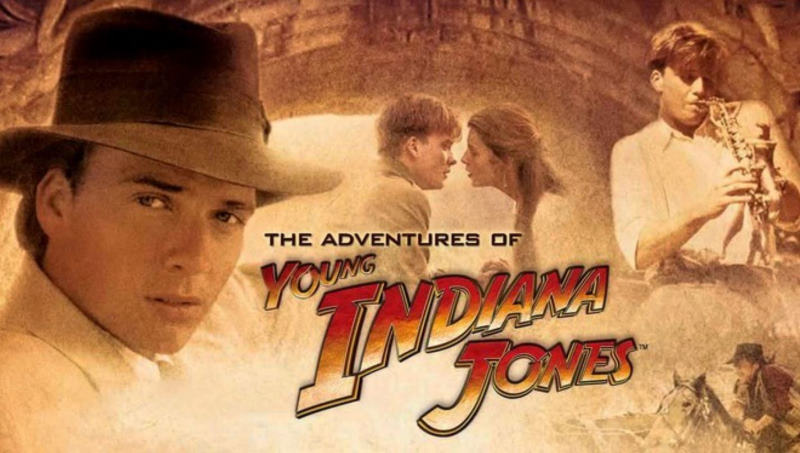
The Young Indiana Jones Chronicles, which aired from 1992 to 1993, provided a unique lens through which to view the life of the iconic archaeologist. The show offered a blend of adventure, history, and character development by focusing on different stages of Indy’s life—from his childhood to his young adulthood. This format allowed the series to explore various historical events and figures, making it both educational and entertaining.
By using The Young Indiana Jones Chronicles as a template, Disney could reboot the franchise in a way that feels fresh yet familiar. Here’s how:
- A Serialized, Character-Driven Narrative: The episodic nature of The Young Indiana Jones Chronicles allowed for deep character exploration. A new series could take advantage of modern streaming platforms to create a serialized narrative, focusing on different phases of Indy’s life. Each season could tackle different themes and time periods, offering a well-rounded portrayal of Indiana Jones as he grows from a curious boy to a seasoned adventurer.
- Historical Context and Educational Value: One of the standout elements of The Young Indiana Jones Chronicles was its historical context. The show introduced viewers to historical figures like T.E. Lawrence, Pablo Picasso, and even young Ernest Hemingway. A reboot could expand on this, delving into lesser-known historical events and figures, providing both entertainment and educational value.
- Diverse Storytelling: The reboot could introduce new characters, including female leads and adventurers from different cultural backgrounds, reflecting the global nature of archaeology and exploration. This approach would make the series more inclusive, appealing to a broader audience without sacrificing the core elements that make Indiana Jones iconic.
- Expanding the Mythology: By revisiting Indy’s earlier years, the series could further develop the mythology of the Indiana Jones universe. This could include exploring his relationships with key characters like Abner Ravenwood, as well as his interactions with secret societies, ancient cults, and hidden treasures, adding depth and intrigue to the character’s backstory.
The Sequel Series: Indiana Jones in the Post-War Years

In addition to the reboot, Disney could launch a sequel series focusing on Indiana Jones in the years following World War II. This era is rich with potential, filled with political intrigue, the rise of the Cold War, and the burgeoning space race. Here’s how this sequel series could unfold:
- Cold War Intrigue: The post-war period was marked by tension between the United States and the Soviet Union. Indy could find himself embroiled in espionage, tracking down ancient artifacts that could tip the balance of power during the Cold War. This would not only be thrilling but would allow the series to explore a different kind of adversary—Soviet spies and double agents, rather than Nazis.
- The Evolution of Archaeology: The 1950s and 60s saw significant advancements in archaeology and technology. The sequel series could explore how these changes affect Indy’s approach to his work. New methods of excavation, radiocarbon dating, and the beginning of computer technology could add a fresh dynamic to his adventures, forcing the old-school archaeologist to adapt to a rapidly changing world.
- The Space Race and Ancient Aliens: Tying into the zeitgeist of the era, the series could explore the burgeoning interest in space exploration and the possibility of ancient extraterrestrial life. Indy could be drawn into missions that blur the line between history and science fiction, similar to the themes explored in Indiana Jones and the Kingdom of the Crystal Skull but executed with a more refined approach.
- Passing the Torch: A sequel series could also serve as a platform to introduce a new generation of adventurers. Indy could mentor young archaeologists, perhaps his own children or protégés, who will carry on his legacy. This would provide a natural transition for the franchise, keeping it alive for years to come.
The Potential Impact
By rebooting the Indiana Jones franchise with a focus on his early years and following it up with a sequel series set in the post-war era, Disney could effectively rejuvenate the character while expanding the universe in meaningful ways. This approach would allow for both nostalgia and innovation, appealing to die-hard fans of the original films while also drawing in new audiences who may be unfamiliar with Indiana Jones.
Furthermore, the episodic and serialized format of modern streaming would allow for deeper storytelling, character development, and exploration of historical contexts, making the franchise more relevant and engaging than ever before.
Conclusion
Indiana Jones is a character with timeless appeal, and Disney has the opportunity to breathe new life into the franchise by embracing the format of The Young Indiana Jones Chronicles for a reboot and creating a sequel series that explores his adventures in the post-war years. By doing so, Disney can honor the legacy of the original films while setting the stage for the future, ensuring that Indiana Jones remains a beloved figure for generations to come.
