


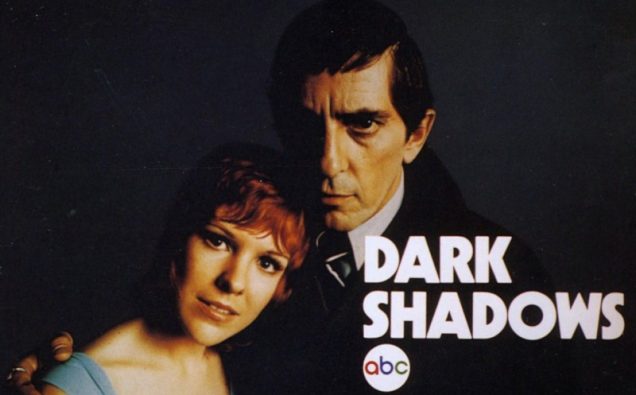
More than half a century after it first captivated television audiences, Dark Shadows is once again preparing to rise from the grave. Warner Bros. Animation has officially announced that it is developing an adult animated continuation of Dan Curtis’ legendary gothic horror franchise as part of the property’s 60th anniversary celebrations.
According to Warner Bros., the new series will continue the saga of the Collins family, promising to blend gothic horror, supernatural mystery and romantic intrigue while remaining faithful to the tone that made the original series such a phenomenon. Rather than starting from scratch, the project appears to be building upon the mythology that fans have followed for decades. Lisa Holdsworth (A Discovery of Witches, Call the Midwife) has been announced as showrunner and executive producer, with Cathy Curtis and Tracy Curtis, daughters of original creator Dan Curtis, also serving as executive producers.
For many younger viewers, Dark Shadows may simply be remembered as the 2012 Tim Burton film starring Johnny Depp. However, that movie only scratches the surface of what was one of television’s most groundbreaking genre series.
Premiering on ABC in 1966, Dark Shadows initially began life as a traditional gothic soap opera before creator Dan Curtis made the inspired decision to introduce vampire Barnabas Collins, played by Jonathan Frid. That single creative gamble transformed the show into a cultural phenomenon. What followed was unlike anything television audiences had seen before. Alongside vampires came ghosts, witches, werewolves, zombies, warlocks, time travel, parallel universes and even Frankenstein-style creations, all woven into an ongoing daytime serial that eventually ran for an astonishing 1,225 episodes.
Its influence on television cannot be overstated.
Today we’re accustomed to long-form supernatural dramas such as Buffy the Vampire Slayer, Supernatural, The Vampire Diaries, True Blood and even shows like Stranger Things that gradually build sprawling mythology over multiple seasons. Dark Shadows helped lay much of that groundwork decades earlier. It proved that horror could sustain long-form serial storytelling and that audiences would happily follow complex supernatural narratives week after week.
The series also arrived at exactly the right moment culturally. During the late 1960s, horror was becoming increasingly sophisticated in both cinema and literature, and Dark Shadows brought gothic storytelling into millions of homes every weekday afternoon. Teenagers famously rushed home from school to catch the latest episode, helping turn Barnabas Collins into one of television’s very first sympathetic monster protagonists. Rather than presenting vampires as simple villains, the series explored tragedy, redemption and moral conflict long before anti-heroes became commonplace on television.
The franchise has enjoyed several attempts at revival over the years, including the well-regarded 1991 NBC remake, an unaired pilot in 2004, and the Tim Burton feature film. A planned sequel series for The CW was announced in 2019 before ultimately stalling in development. This new animated incarnation, however, may finally offer the creative freedom needed to fully embrace the expansive mythology that made the original series so beloved.
Animation also removes many of the budgetary limitations that constrained the original production. With no need to build elaborate practical sets or visual effects, the new series can potentially explore the supernatural world of Collinsport with a scope that simply wasn’t possible during the 1960s.
Sixty years after audiences first entered Collinwood, the shadows are stirring once again. If Warner Bros. can capture even a fraction of the atmosphere, mystery and gothic charm that made the original series a television landmark, Dark Shadows could be poised to introduce an entirely new generation to one of horror’s most enduring franchises.
(Source Hollywood Reporter)
